Every quantity we use every day (weight, price, length) is a single number. A location is two numbers at once. That mismatch is why we still fumble with coordinates and cryptic addresses.
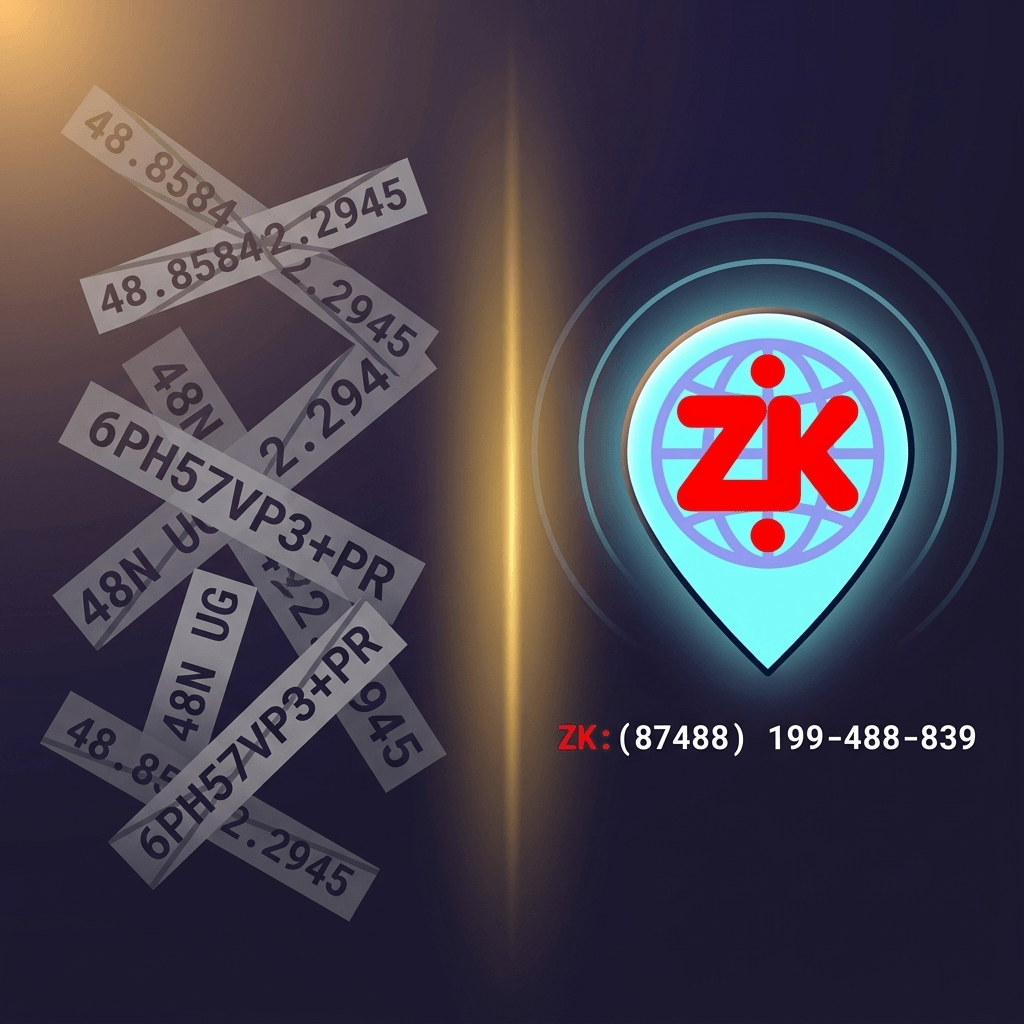
Most of humanity has no address. And when an address does exist, it is built on baroque administrative divisions that differ from country to country and change over time.
Take this real address in Tokyo, one of the best manga shops in Shibuya: 〒 150-0042 東京都渋谷区宇田川町 31−2 渋谷 BEAM B2F. Unless you read Japanese and know the district, it tells you nothing.
The net result is worldwide chaos: deliveries that never arrive, people who get lost, rescue services that cannot find the injured. A gigantic waste of time, money, and sometimes lives.
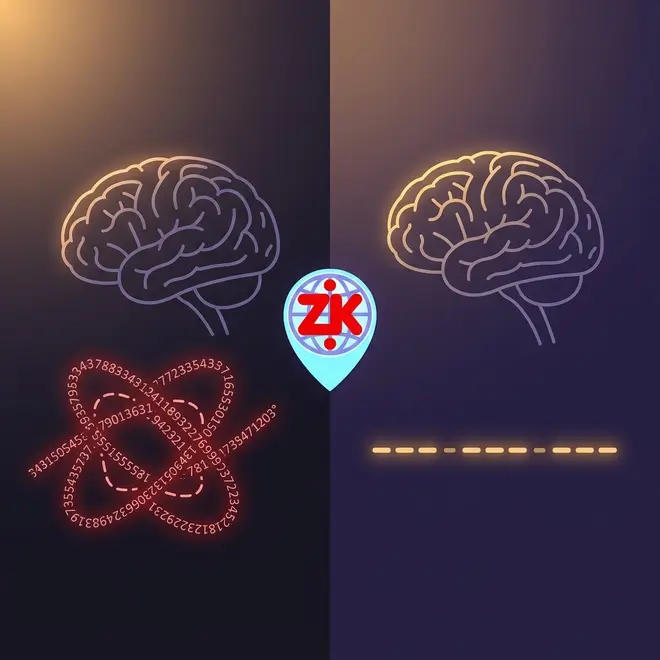
All physical quantities we handle (a weight, a price, a length) use a single number. A location is of dimension 2: it needs two numbers at the same time. Our brain traps and unconsciously rejects it.
And maybe the real reason is even more basic: a quantity is measured with numbers, not letters or hieroglyphs. For our brain, anything that doesn't look like a number is not a quantity.
Zonkod manages to convert this 2-dimensional element into something that looks enough like a number for our brain to stop jamming and just accept it.
It is perceived as a normal number. If you move a little, it changes a little. If you move a lot, it changes a lot. The brackets and dashes make it legible and memorable; we naturally identify it with the familiar phone number.
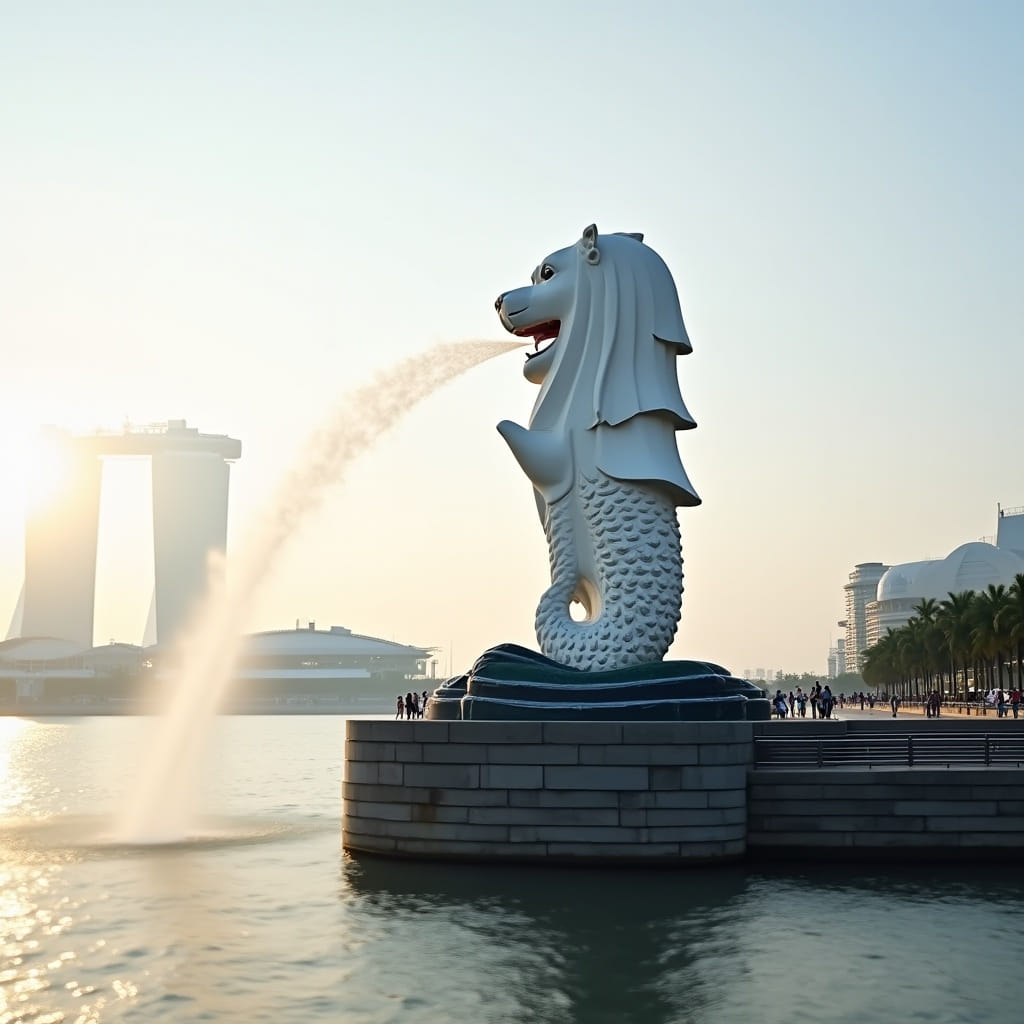
The Merlion in Singapore is: N 1° 17′ 12.45″, E 103° 51′ 16.20″. Or 1.2867910, 103.8545000. Or Plus Code 6PH57VP3+PR. Or MGRS 48N UG 72557 42257.
In Zonkod, the same spot is: ZK:(51198) 536-179-574. One number, phone-like, no ambiguity.
